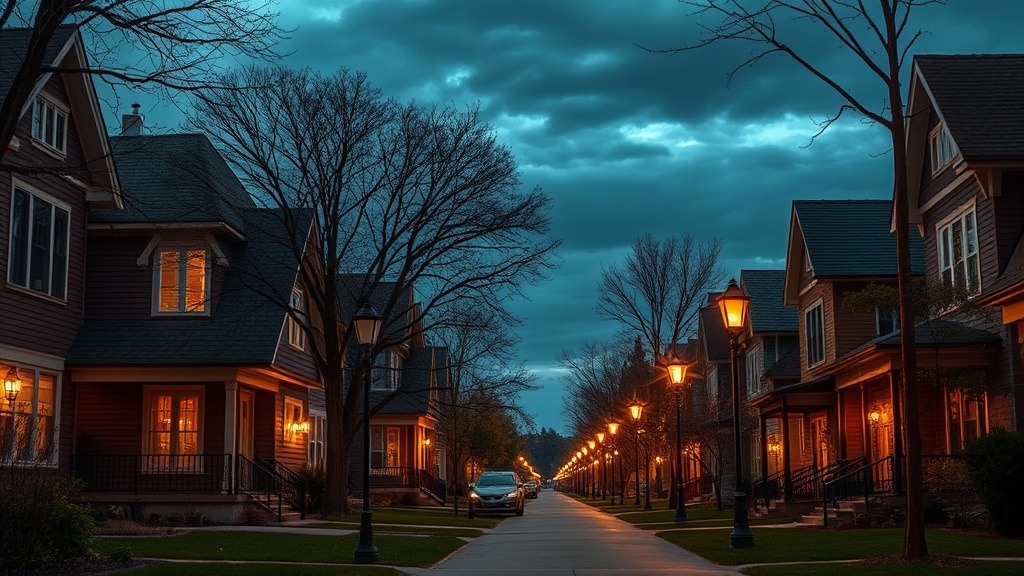
Why Your Nepean Neighborhood Association Matters More Than You Think

Living in Nepean means being part of a community that values its local identity, even decades after we joined the larger City of Ottawa. Our neighborhood associations are the groups that keep this identity alive by making sure our voices reach city hall. This post breaks down the ways these volunteer-run organizations influence your daily life, from the rinks your kids skate on to the zoning laws that determine the height of the building next door. You will learn why these groups are the most important tools we have for local change in Nepean.
Nepean has a long history of local pride. Before amalgamation, Nepean was its own city, and that independent spirit still runs through neighborhoods like Bells Corners, Centrepointe, and Barrhaven. When we talk about our community, we aren't just talking about a collection of houses; we're talking about a shared investment in our parks and streets. The neighborhood association is the formal way we protect that investment. These groups are not just for retirees or people with too much time on their hands—they are for anyone in Nepean who wants a say in how their street looks and feels.
Where can Nepean residents find local advocacy?
One of the biggest roles of a Nepean community association is acting as a watchdog for local development. When a developer proposes a new high-rise project near the Nepean Sportsplex or a commercial expansion along the Merivale Road corridor, it is the neighborhood association that reviews the technical plans. They look at things like traffic impact, shadows on existing homes, and whether the local sewers can handle the extra load. Without these volunteers, many of these projects would go ahead without any input from the people who actually live here. We have seen this happen in many parts of the city, but Nepean associations are famously organized and vocal.
These associations also represent us at city council committees. If there is a plan to change a bus route that serves College Ward or to reduce the hours at the Centrepointe Library, the association is the group that gathers signatures and presents a unified front. They provide a level of political weight that an individual resident simply cannot match on their own. By joining your local group, you give more power to the collective voice of Nepean residents when dealing with municipal officials who might otherwise overlook our specific needs.
How do Nepean community centers stay funded?
Many of the community centers we use every week are managed through partnerships between the city and local associations. Places like the Tanglewood-Hillsdale Community Association or the Trend-Arlington Community Center rely on a mix of city grants and locally raised funds. This money goes toward maintaining the buildings, buying equipment for youth programs, and organizing the events that make Nepean feel like home. It is a common misconception that the city does everything; in reality, much of the programming we enjoy is the result of local volunteers chasing down every dollar they can find.
Funding also comes from the city’s minor capital grant programs, which Nepean associations are very good at winning. These grants might pay for a new play structure in a local park or a paved path that makes it easier for seniors to get to the Nepean Sportsplex. Because these associations are on the ground, they know exactly which park needs a new bench or which community kitchen needs a new oven. They ensure that our tax dollars are spent on projects that actually improve the lives of Nepean families rather than on generic city-wide initiatives that might not benefit us at all.
What are the best ways to get involved in Nepean civic life?
Getting involved does not have to mean attending a three-hour meeting every Tuesday night. There are several ways to support your Nepean community association that fit into a busy schedule. The most basic way is simply to buy a membership. Most Nepean associations charge a tiny annual fee—often less than twenty dollars—and this money goes directly into the local rinks and events. Even if you never attend a meeting, your membership fee helps keep the lights on and the rinks flooded during the long winter months.
If you have more time, you can volunteer for a specific project. Nepean is known for its incredible network of outdoor rinks, such as those in Craig Henry and Leslie Park. These rinks are flooded and shovelled by neighbors. If you enjoy being outside in the winter, spending a few hours a week on the rink crew is a great way to meet people and provide a vital service to Nepean kids. Other options include helping with a community garden, joining a neighborhood watch program, or assisting with the annual garage sale that many Nepean groups organize every spring.
The Impact on Property Values and Safety
Beyond advocacy and fun events, Nepean neighborhood associations help maintain the quality of our streets. They often organize park clean-up days and tree-planting initiatives that keep our neighborhoods looking their best. A well-maintained neighborhood with active neighbors is almost always a safer neighborhood. When people know their neighbors and are active in their community association, they are more likely to notice when something is wrong. This natural surveillance is a huge part of why Nepean remains one of the most desirable places to live in the region.
Protecting the Nepean Environment
We are lucky to have so much green space in Nepean, from the experimental farm borders to the Pinecrest Creek area. Our neighborhood associations are often the fiercest protectors of these spaces. They work with the City of Ottawa to ensure that our parks are not encroached upon by development. They also lead environmental projects like building bee hotels or protecting local wetlands. These initiatives ensure that the Nepean we love today will still be green and healthy for the next generation of residents.
Our community is also part of a larger network called the Federation of Citizens’ Associations, which links Nepean groups with others across the city. This allows us to share best practices and learn how other neighborhoods are solving problems like traffic speeding or urban wildlife issues. It is this combination of local focus and city-wide connection that makes the Nepean association model so successful. If you want to see the history of how our community has changed over time, you can even visit the Nepean Museum to see the documents and photos that tell the story of our local civic growth.
Every time you walk your dog in a clean park or enjoy a community barbecue, you are seeing the work of a Nepean neighborhood association in action. These groups are the silent engine of our community life. They don't always get the credit they deserve, but they are the reason our corner of the city stays strong and connected. Whether you live in an older part of Nepean or one of the newer subdivisions, there is an association working for you right now.